Secure Banking Starts with Identity: The Role of BVN and NIN
You might wonder why NIN is also required when BVN already exists. The reason is simple: they serve different purposes.

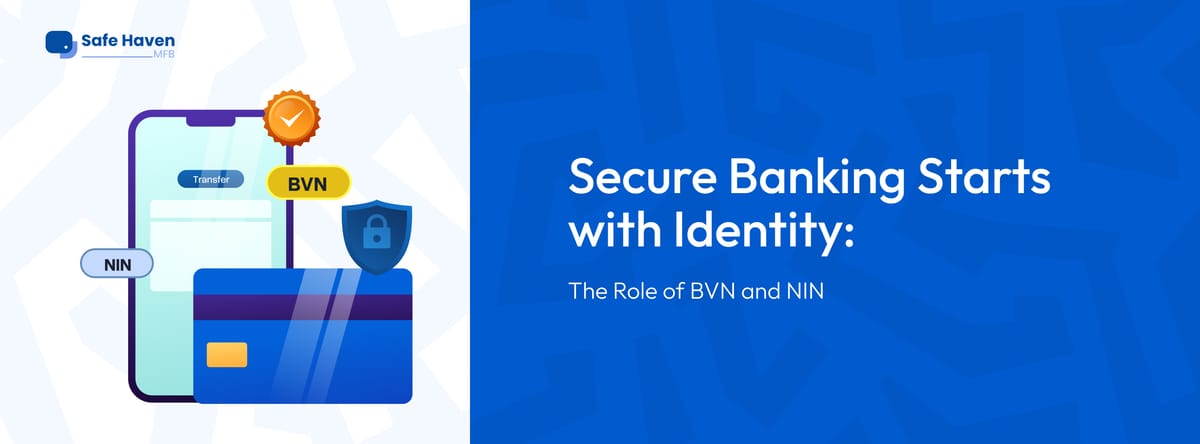
In Nigeria today, opening a bank account or using most digital financial services usually starts with two familiar requests: your Bank Verification Number (BVN) and your National Identification Number (NIN). Many people provide them quickly and move on, without giving much thought to why they are so important. But in reality, these two numbers play a big role in keeping banking safe, simple, and reliable.
Nigeria’s identity system did not appear overnight. The country first experimented with civic registration in 1977, revisited it in 2003, and then took a major step forward in 2007 with the creation of the National Identity Management Commission (NIMC). Nationwide NIN registration began in 2013, giving Nigerians a single, trusted national identity number. A year later, in 2014, the Bankers’ Committee introduced the BVN to bring the same level of order and security into the banking system.
Before BVN was introduced, an individual could open and maintain multiple bank accounts under different names and identities. This made fraud easier and recovering stolen money much harder. The Central Bank of Nigeria pointed out that the lack of a unique identifier weakened Know Your Customer (KYC) processes and slowed the growth of credit services. Today, the BVN gives every bank customer one verifiable identity across all Nigerian banks, protects accounts from unauthorized access, supports biometric verification, and helps identify blacklisted or fraudulent users.
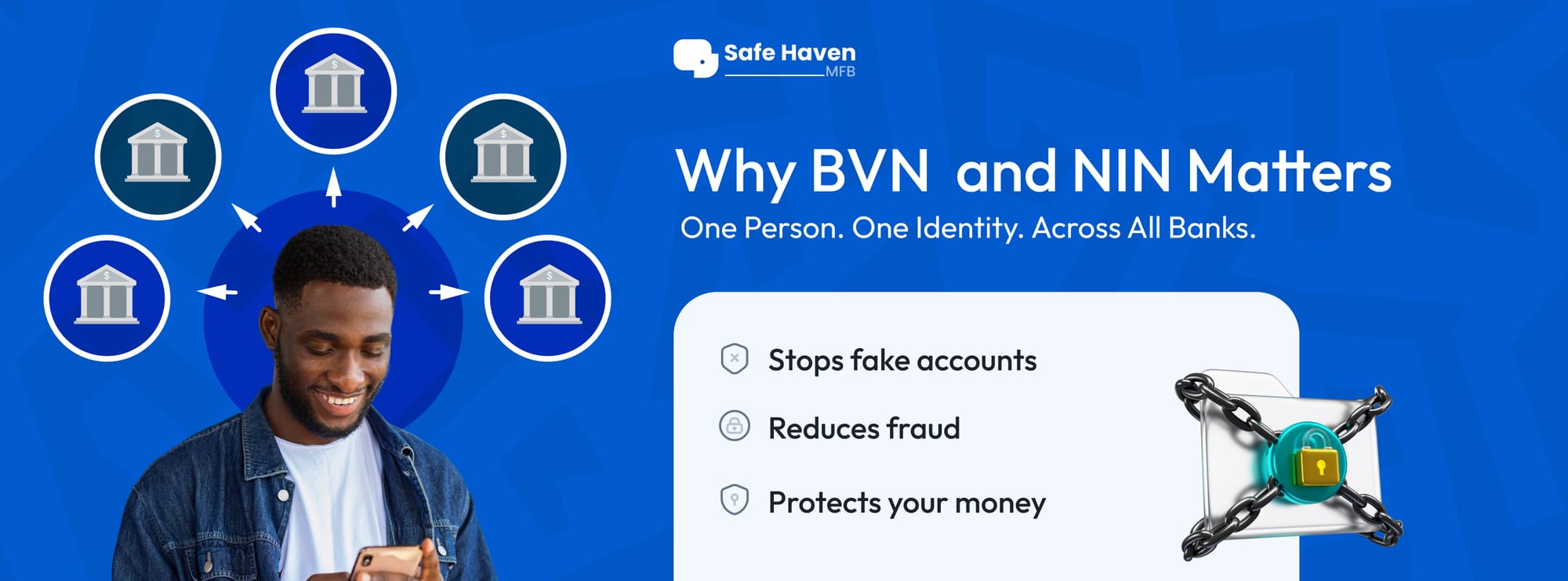
You might wonder why NIN is also required when BVN already exists. The reason is simple: they serve different purposes. While BVN identifies you within the banking system, NIN identifies you nationally. The NIMC is the only agency responsible for collecting and managing citizens’ biometric data, which is why the NIN is now required for many registrations across Nigeria. Even government bodies such as the newly formed Nigeria Revenue Service are adopting NIN in place of the traditional Tax Identification Number for individuals.
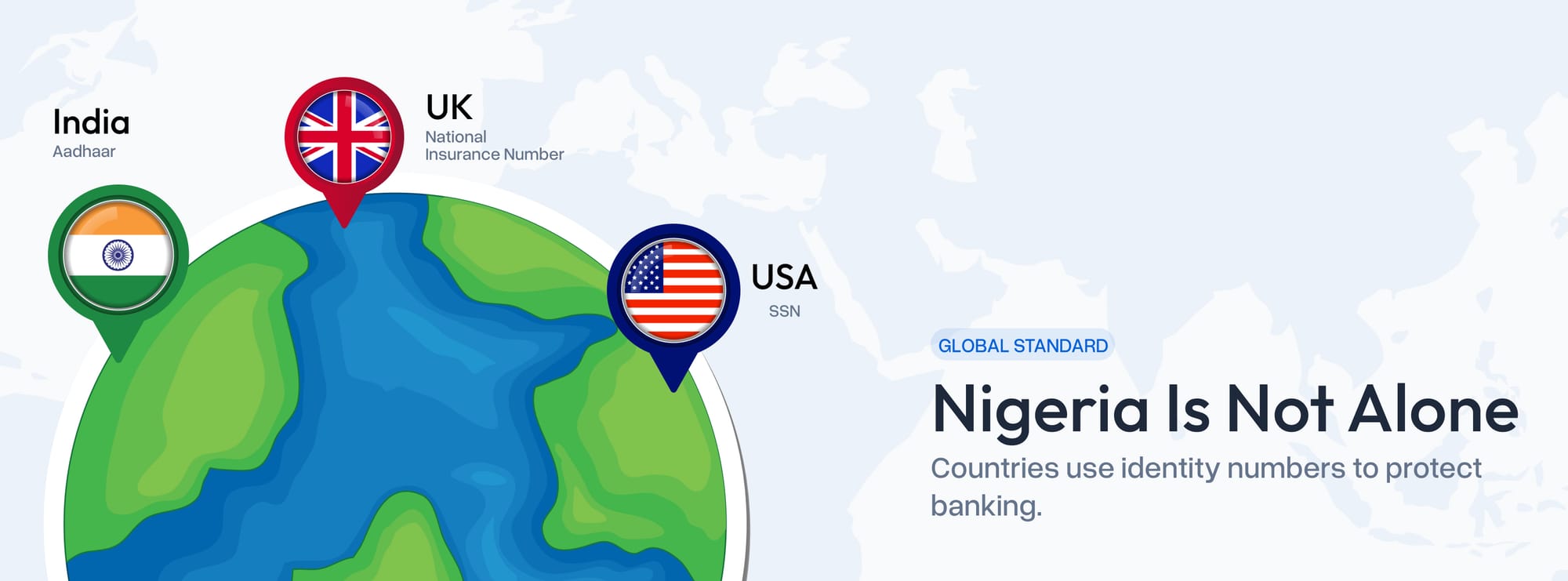
This system is not unique to Nigeria. Around the world, countries use similar identity numbers to protect their financial systems. In the United States, banks rely on the Social Security Number (SSN) for banking, taxes, employment, and government services. The United Kingdom uses a National Insurance Number, while India operates the Aadhaar system, which is also biometric-based. In that sense, Nigeria is simply following a global standard.
When banks combine BVN and NIN, they are able to build a clearer and more accurate profile of each customer. This helps reduce fake accounts, identity theft, and other forms of financial crime. It also allows regulators to better monitor the financial system, making banking safer for everyone.
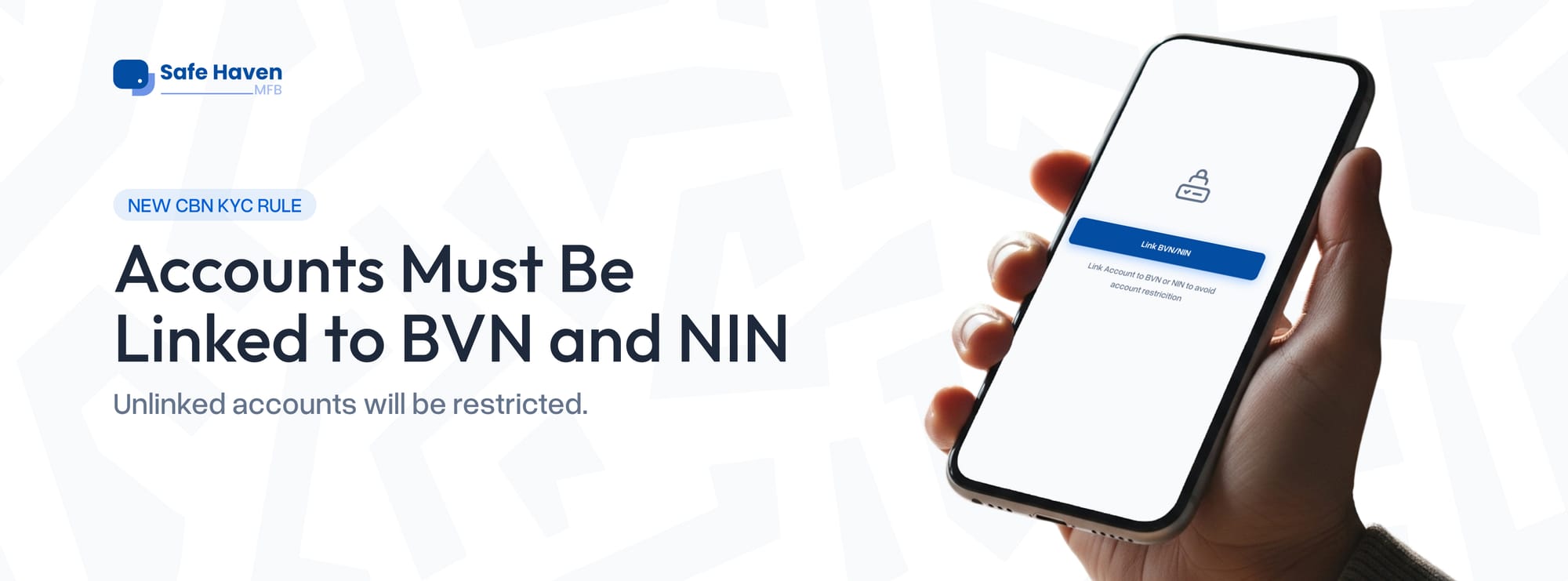
Banks request these details mainly to comply with Central Bank of Nigeria regulations on Know Your Customer (KYC). These rules ensure that every account belongs to a real and traceable person, helping to prevent fraud, money laundering, and terrorism financing. With billions of Naira lost to financial fraud each year, strong identity verification remains one of the best ways to protect customers’ funds and support secure digital transactions. Under the new CBN KYC rule, all bank accounts and mobile wallets must be linked to a BVN and NIN. Accounts without these identifiers may be restricted, meaning no withdrawals or transfers can take place until the details are updated.
Some customers worry about privacy, which is completely understandable. The good news is that BVN and NIN are safe when shared through official banking channels like Safe Haven. Only limited details required for identity verification are accessed, and they are stored securely in line with regulatory standards.
Financial institutions are required to operate based on what we call identity consent. This is basically your way of saying, “Yes, bank, you can use my information.” It means the bank can only collect, check, or use your details, like your BVN, NIN, or biometrics, because you’ve given permission. Whether you provide your information at a branch, approve a transaction with an OTP, or use your fingerprint or face on the app, you are giving consent for that action. This ensures the bank uses it responsibly, and makes sure nothing happens without your knowledge. Just remember not to share your details publicly or with strangers.
At Safe Haven Microfinance Bank, BVN and NIN are used to confirm who you are, protect your account, and meet national regulatory standards. More importantly, they allow the bank to confidently provide services such as savings, loans, digital payments, and business support.
In the end, BVN and NIN are not just formalities or paperwork. They are key tools for building a safer, more trusted, and more efficient financial system in Nigeria. Just as Americans rely on their Social Security Numbers to access banking services, Nigerians rely on BVN and NIN to enjoy secure modern banking. By linking them to your account, you are taking an important step toward protecting your money and opening the door to more financial opportunities with Safe Haven Microfinance Bank.
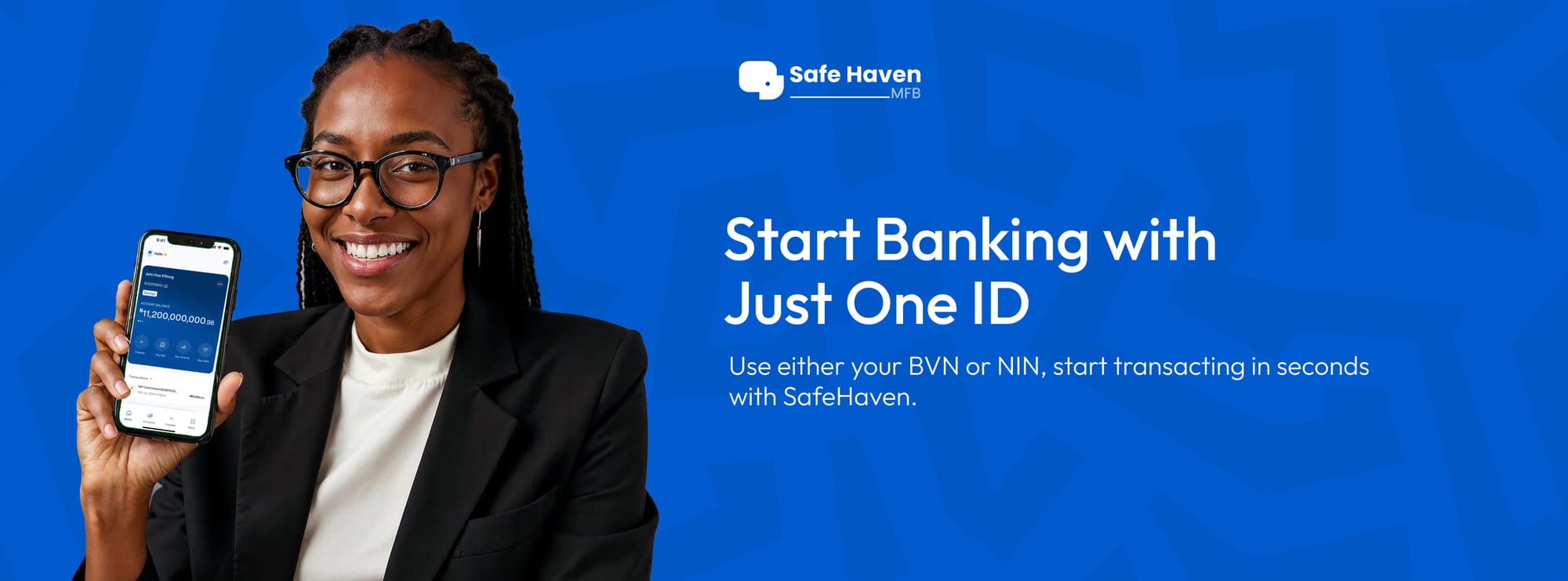
And the best part? You don’t need to have both your BVN and NIN to get started, you can open your account today and begin transacting with just one valid identity.