From Abuja to Marrakech
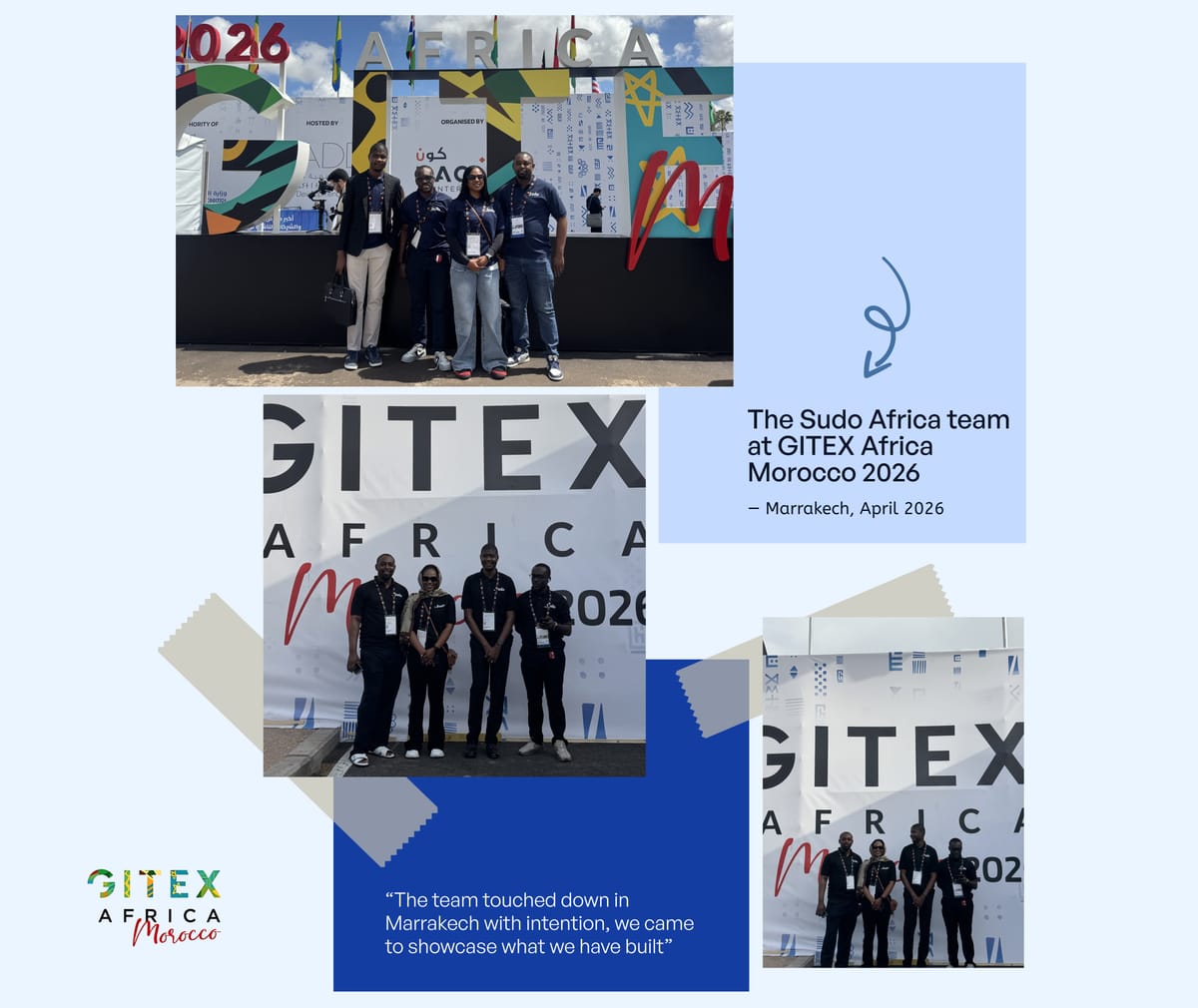
How Sudo Africa took its mission of digital card infrastructure and African financial ownership to the global stage at GITEX Africa Morocco 2026 — and what we found along the way.
Arriving at the
Continent's Biggest Stage
GITEX Africa is not just a technology conference. It is the heartbeat of Africa's digital transformation — a gathering of builders, investors, regulators, and dreamers from across the continent and beyond. When Sudo Africa secured a spot at GITEX Africa Morocco 2026, we knew it was more than a booth allocation. It was a signal: the work we are doing in Nigeria is ready to be seen by the world.
The team touched down in Marrakech with intention. We came to showcase what we have built, to listen to what the continent needs, and to plant a flag that says — Africa can build and own its own financial systems.
The Booth That Started
Conversations
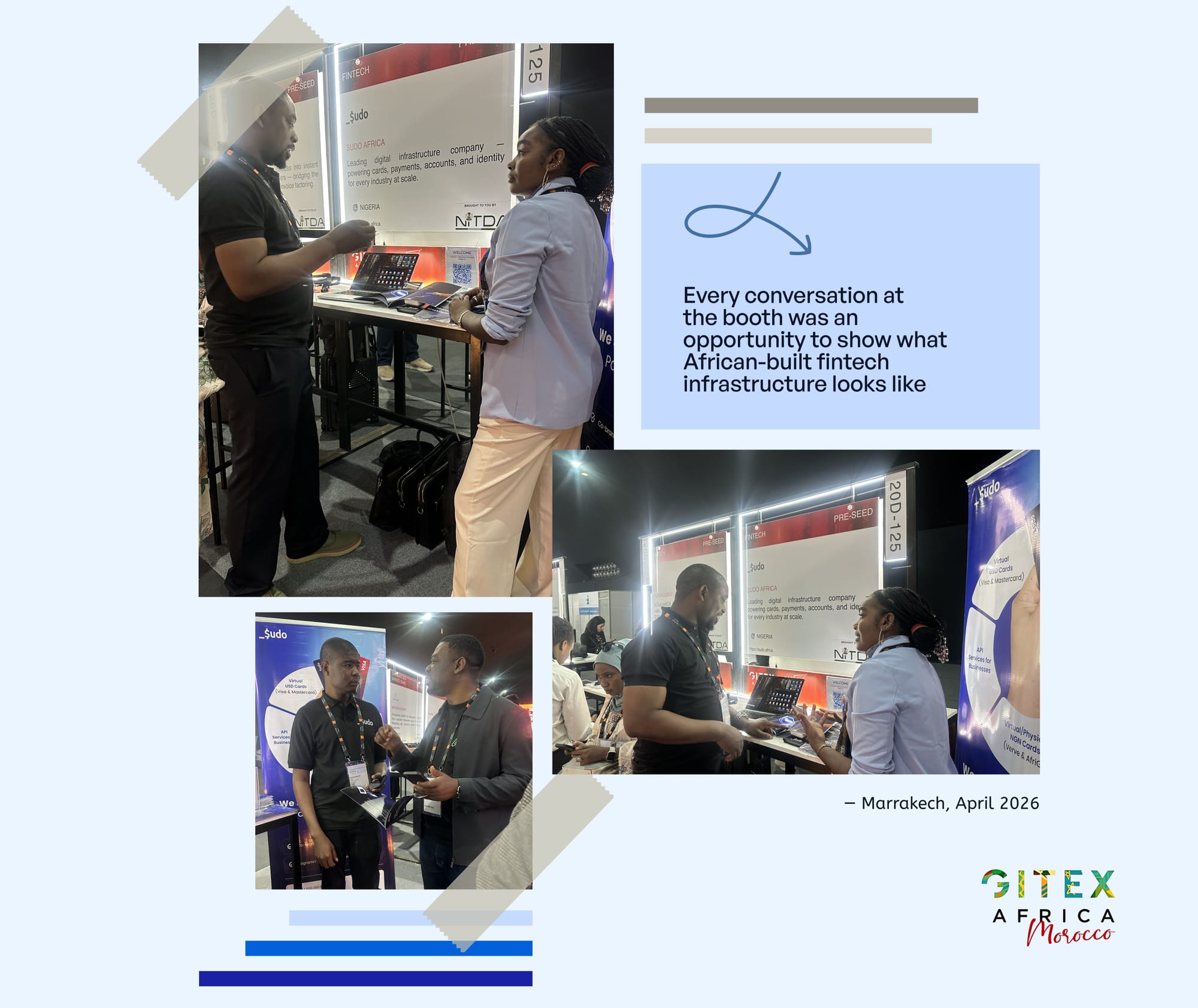
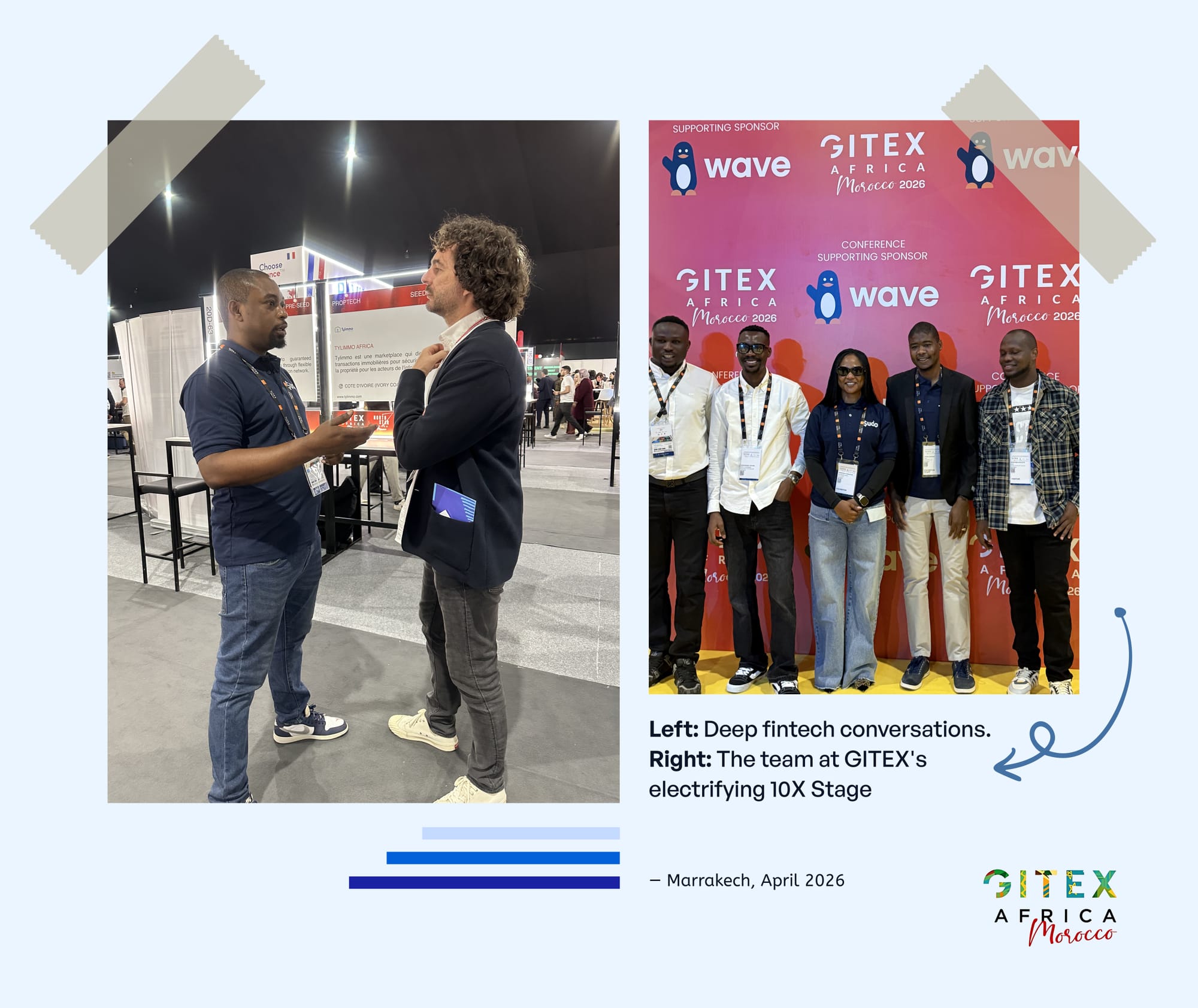
Our booth at stand 20D-125 became one of the most active conversation zones on the floor. From the moment the doors opened each morning, it was a stream of founders, investors, bankers, and fintech builders — all drawn in by a simple question on our banner: What if Africa owned its own cards?
We demonstrated our full digital card infrastructure: virtual USD cards issued on Visa and Mastercard rails, seamless card digitization technology, contactless and QR-based payment flows, and the API-first stack that powers it all. But what people responded to most was the clarity of the mission. Not just building payments. Building ownership.
Africa must not just use financial systems — Africa must build and own them.
One Conversation
at a Time
Beyond the booth, the floor was alive with energy. We moved through the halls with purpose — catching founders between sessions, sitting with investors over coffee, joining circles of debate about regulation, infrastructure, and the future of money on the continent. One of our most intricating opportunity is having our booth close to the 10X Stage where most energizing conversation about the future happened.
The common thread running through every exchange was admiration for what Nigeria has built — and hunger to replicate it. Country after country, founder after founder, the ask was the same: How do we bring this home? What is your intention towards expansion?
Building Pan-African
Relationships
GITEX Africa drew top fintech operators, innovators, and ecosystem builders from East Africa, West Africa, North Africa, and Southern Africa all into one space. For us, this was extraordinary. We met founders running payment platforms in Kenya. Regulators shaping digital finance in Morocco. Infrastructure builders in Niger, Tanzania who are watching Nigeria's story closely.
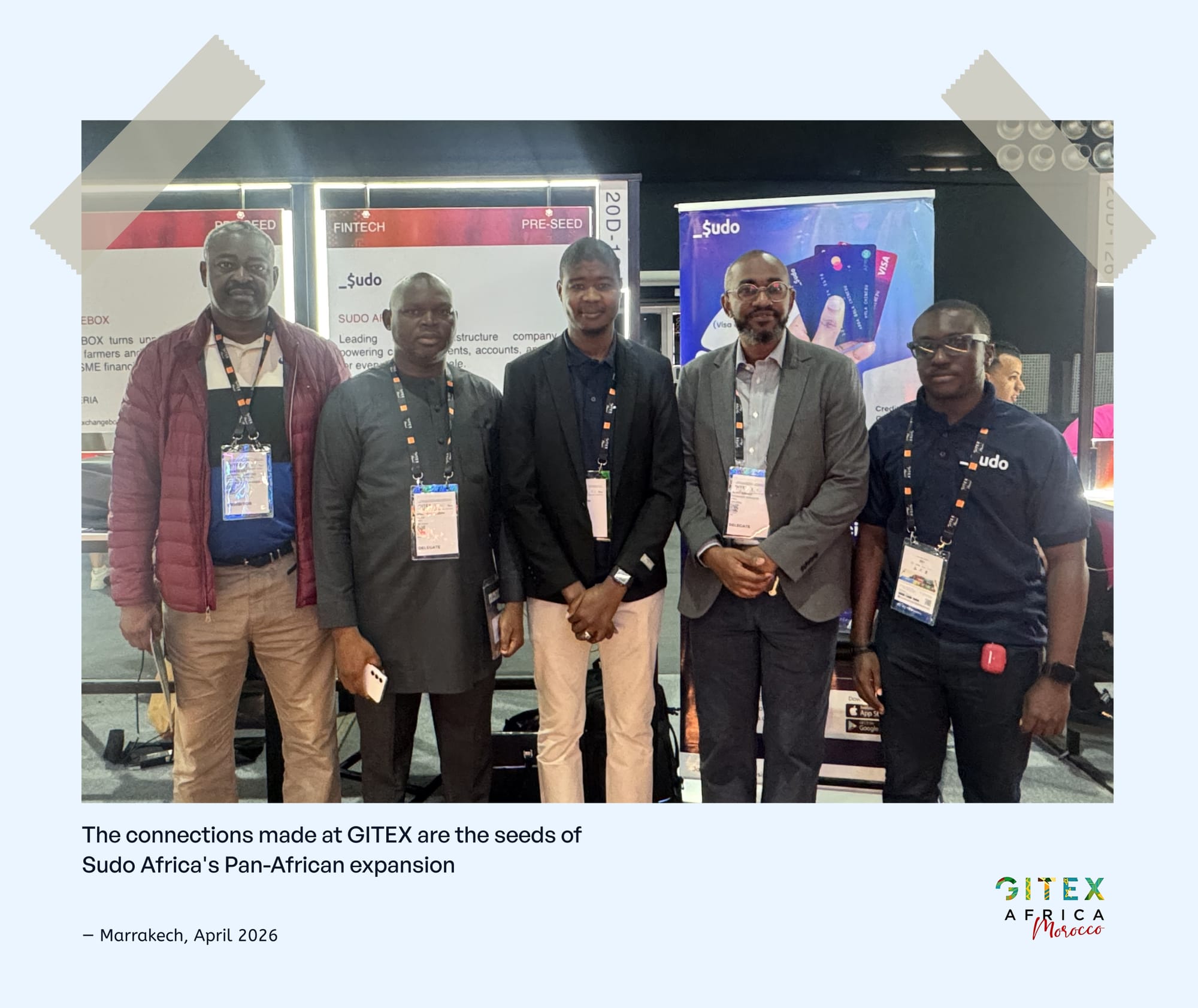
What stood out in every conversation was a shared ambition. Countries looking to replicate Nigeria's fintech success. Businesses eager to plug into Sudo's infrastructure rather than build from scratch. Partners ready to collaborate and scale together.
These weren't just business cards exchanged across a table. They were the opening chapters of real partnerships — entry points into markets that are ready for what we are building.
What we are building in Nigeria is no longer local. It is exportable across Africa.
Morocco's Fintech
Moment Is Now
We came to showcase — but we also came to learn. And what we discovered about Morocco's fintech landscape was more exciting than we anticipated.
Morocco has been building quietly and purposefully. Bank Al-Maghrib, the central bank, has rolled out a robust digital payment framework. Mobile wallets are gaining real traction. The country's young, urban population is digitally native and underserved by legacy banking. And the regulatory environment is increasingly open to innovation.
We had strategic deep-dives with local operators, explored the infrastructure gaps, and mapped where Sudo's card and payments stack could slot in immediately. The conclusion was clear: Morocco is ready. And Sudo Africa is well-positioned to move fast.
Home in the
Heart of the Medina
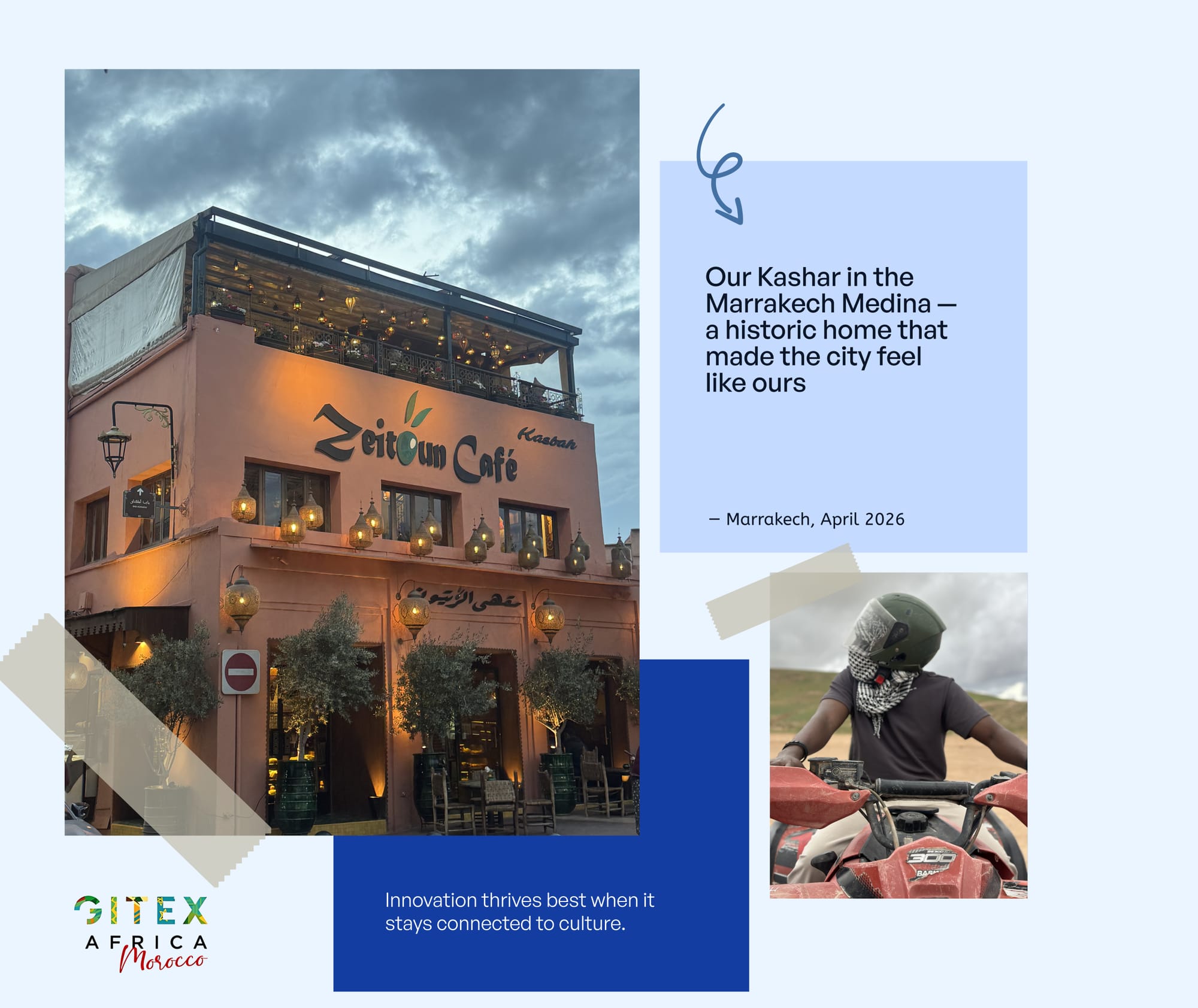
After the conference doors closed each evening, we returned not to a hotel chain but to something far more meaningful. We stayed in a Kashar — a Kasbah-style riad nestled in the historic heart of Marrakech's old city. To walk through its ornate wooden door each night was to step into another world entirely.
The interior courtyard, with its intricate tilework and carved plasterwork, the sound of birds living peacefully as the landlord, the warm amber glow of Moroccan lanterns — it was immersive in the best possible way. It reminded us that great innovation does not exist in a vacuum. It is always rooted in place, in culture, in history.
Living in the Medina, even for a week, gave the whole trip texture. You cannot understand a market by only standing on a conference floor. You must also breathe its air, walk its streets, and sit in its quiet courtyards after dark.
Innovation thrives best when it stays connected to culture.
Cold Days,
Warm Purpose
Everyone warned us about the heat of North Africa. No one warned us about Marrakech in April. The city welcomed us with surprisingly cold weather throughout the entire week — chilly mornings, cool afternoons, and genuinely cold nights that caught us by surprise. Jackets became non-negotiable equipment from day one.
But there was something beautiful in it. The cold seems to slow down time. Evenings felt more deliberate. Conversations ran longer. The urgency of finding warmth made shared meals and indoor gatherings feel more meaningful. In a strange way, the weather shaped the trip as much as the conference did.
A Taste of Nigeria
in Marrakech 🇳🇬
Here is the moment — or rather, the moments — the trip became unforgettable in a different way. Kennisha — ever prepared — had packed her bags with more than clothes. Tucked between the folds were local Nigerian spices, dried pepper, yam flour, egusi, and a collection of ingredients that carried the full weight of home. She knew exactly what she was doing.
Because Marrakech, for all its magic, had no buka. And cold nights in a foreign city have a way of making your stomach speak Yoruba.
So we cooked. Not once — over four times. Properly cooked, from scratch, in the kitchen of a century-old Marrakech riad. And the unlikely star of it all? Aminu, our CEO, who stepped into that kitchen and never looked back. Apron on, sleeves up — the man became our resident masterchef, presiding over pots of Spagetti and Chicken with the same focus he brings to building fintech infrastructure.
One afternoon, we went to the local Marrakech market to source protein — navigating stalls, pointing, negotiating in broken French and universal hand gestures, laughing the whole way through. What we brought back went straight into the pot. We made egusi soup. We made tuwo — swallow from scratch — and sat together around a table far from Lagos, eating with our hands, the way it is supposed to be eaten.
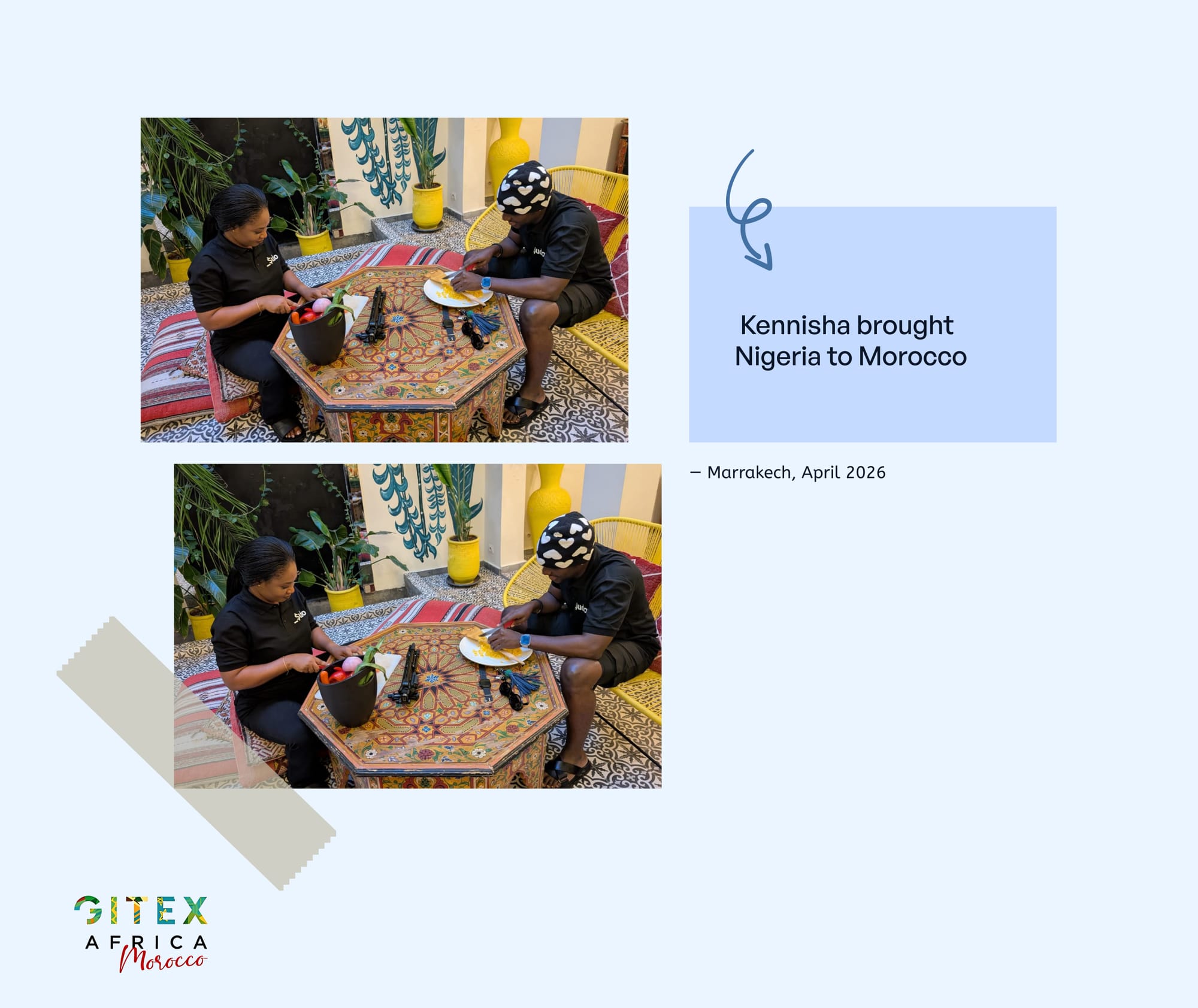
The aromas that filled that Kashar were surreal: Moroccan cedar beams and hand-laid tilework meeting the heat of crayfish, palm oil, and ground egusi. Morocco outside the window. Nigeria on the stove.
Those meals became the beating heart of the trip. It was about more than food. It was about identity — carrying who you are into every space you enter, no matter how far from home you go. In a week spent talking about African ownership in finance, cooking Nigerian food in a Marrakech kitchen felt quietly, powerfully profound.
Nigeria to Morocco
Local spices, dried pepper, the ingredients of home — packed carefully alongside laptops and conference badges. On a cold Marrakech evening, the team gathered in the Kashar kitchen and cooked. The meal that followed was one nobody will forget.
Beyond the
Conference Halls
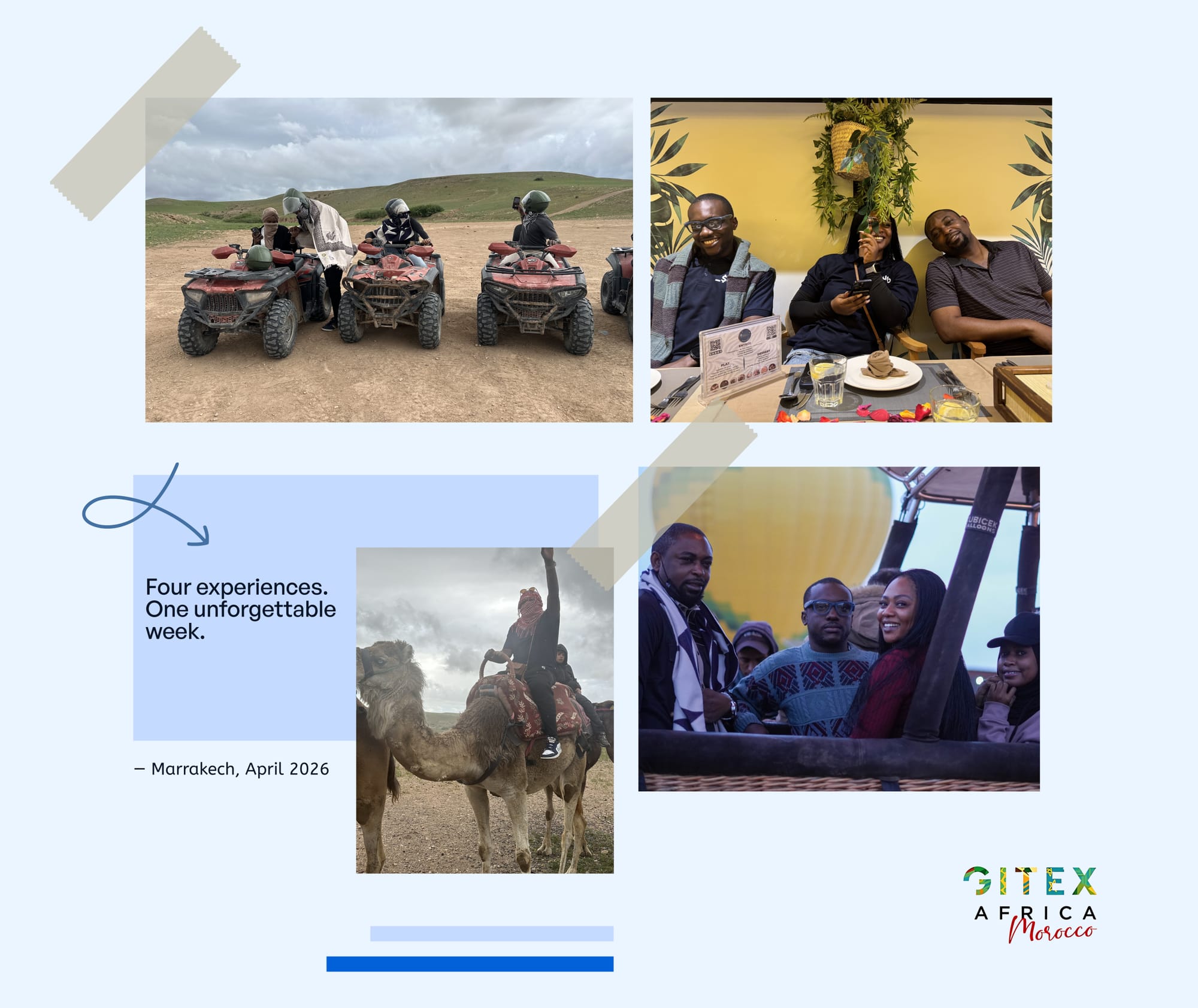
GITEX ended each day but Marrakech never did. After the badge came off, the city was waiting. We made a pact from the start: this trip would not be all business. Morocco's cultural richness demanded to be experienced — and experience it we did.
The hot air balloon on our final morning deserves its own paragraph. Rising over the Marrakech countryside at dawn, the patchwork of palms and kasbahs and vast amber earth stretching to the horizon — it was the kind of moment that puts everything in perspective. From up there, the continent looked the way it feels when we think about what Sudo Africa is building: boundless.
What We're
Bringing Home
This trip was not about presence. Presence is easy — you show up, you smile for photos, you fly home. This was about positioning. About planting Sudo Africa's flag in the African conversation at the continental level and returning with something real to act on.
We left Marrakech with strong partnership leads across East, West, and North Africa. We have a clear expansion pathway into Morocco. We deepened our understanding of what African markets need from a digital card infrastructure partner — and confirmed that what we have built in Nigeria is not just exportable, but needed.
We also left with something harder to quantify but equally important: renewed conviction. The continent is watching Nigeria. Founders from Lagos to Nairobi to Casablanca are building from a shared belief that Africa's financial future should be owned by Africans. Sudo Africa is not just aligned with that belief — we are building the infrastructure that makes it real.